Digital Media and Social Media Collaboration in 2026 | Future of Online Engagement

Digital media and social media collaboration in 2026

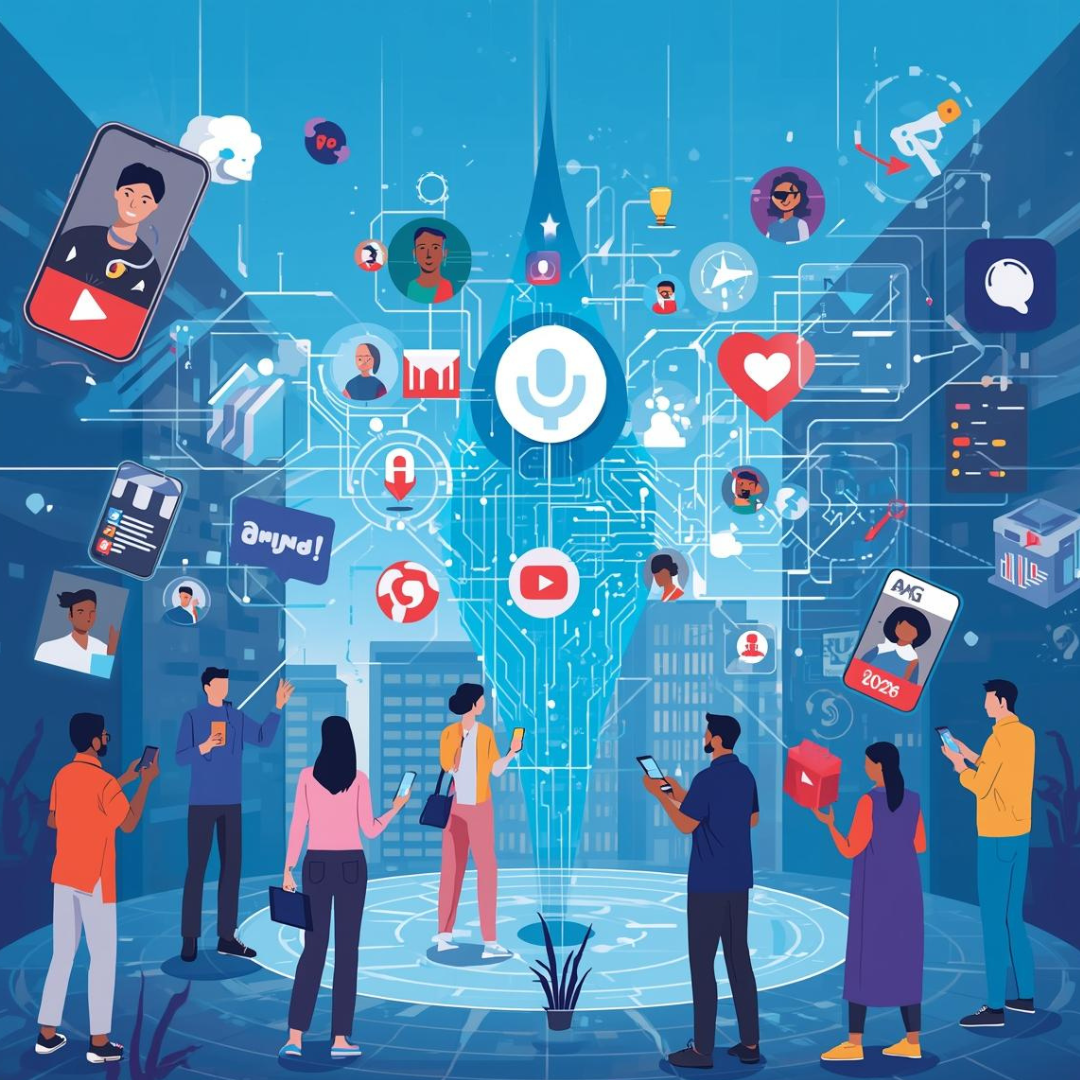
By 2026, digital media and social media will no longer function as simple communication or entertainment platforms. They will evolve into complete digital ecosystems that influence how users discover brands, evaluate credibility, and make purchasing decisions. This transformation is driven by rapid innovation in mobile technology, artificial intelligence, and changing audience expectations that prioritize trust, speed, and personalization over traditional advertising.

In this environment, long-term success in digital media depends on authenticity, data-driven decisions, and platform adaptability. Social media platforms act as discovery engines, while creators serve as experience-based advisors. Businesses that collaborate with credible creators and focus on value-driven storytelling are witnessing higher engagement, stronger brand recall, and sustainable audience growth.

The Rise of Smartphone-Driven Digital Media

Smartphones have become the foundation of modern content creation. Devices such as the oppo reno 15 and realme 16 pro are designed specifically for creators, offering AI-powered cameras, advanced stabilization, and real-time editing capabilities. These features allow creators to produce professional-quality content without relying on expensive studio setups.

Affordable smartphones like the poco m8 are expanding the creator economy in tier-two and tier-three cities. Regional creators using budget-friendly devices are producing high-engagement local-language content for small businesses, proving that authenticity and relevance matter more than production cost.

On the premium end, the iphone 17 pro is redefining visual storytelling. Brands are partnering with creators to produce cinematic reels, behind-the-scenes narratives, and documentary-style content that blends marketing with entertainment, increasing audience retention and trust.

Content Creation Trends Shaped by oneplus 15 Performance

High-performance smartphones such as the oneplus 15 are transforming creator workflows in fast-moving digital environments. In 2026, creators are expected to record high-resolution videos, edit them instantly, and publish across multiple platforms without performance limitations.

For example, tech creators covering live product launches rely on fast processing and seamless multitasking to publish trend-based content within minutes. Brands collaborating with such creators benefit from real-time visibility, higher algorithmic reach, and increased audience trust due to timely and relevant content delivery.

Connectivity as the Catalyst for Growth

Reliable internet connectivity is the backbone of digital media expansion. In India, providers like jio have enabled affordable data access and widespread 5G coverage, making high-quality video streaming and live interactions accessible to millions of users.

According to Statista, mobile-first internet usage continues to drive global social media growth. This infrastructure allows brands to run live campaigns, interactive product launches, and real-time collaborations at scale.

The Growing Importance of Audio Content with airpods

Audio-based content is emerging as a powerful engagement channel within digital media. Podcasts, live audio rooms, and voice-based reels allow creators to communicate ideas in a more personal and trust-driven format. Accessories like airpods help creators maintain consistent audio quality while recording on the move.

Many educators, entrepreneurs, and industry experts now use audio content to explain complex topics, establish authority, and build long-term audience loyalty. Brands are leveraging this format to deliver educational and conversational content rather than direct sales messaging.

Visual Automation and ai photo editor Tools

Artificial intelligence has become an essential part of professional content workflows. In 2026, almost every creator relies on an ai photo editor to automate background removal, lighting correction, thumbnail optimization, and image enhancement tailored to different social media platforms.

These tools reduce production time while improving consistency and accuracy. From an EEAT perspective, AI-powered optimization supports visual clarity and brand reliability, which directly increases content credibility and audience trust.

Mobile-First Creation Enabled by iphone air

Lightweight yet powerful devices such as the iphone air are enabling a truly mobile-first creator culture. Creators can record, edit, and publish high-quality content while traveling, attending events, or working remotely without compromising performance.

This flexibility leads to more authentic storytelling. Audiences increasingly prefer real-time experiences over scripted promotions, making mobile-first content a strong driver of engagement, trust, and community building.

🔗 Related Social Media Marketing Resources

To build a strong and scalable social media marketing strategy, businesses should also explore these in-depth guides covering content creation, platform growth, ads, and engagement best practices:

📚 Explore more insights in our Social Media Marketing section 🚀

Conclusion

By 2026, digital media and social media collaboration will be defined by credibility, technology, and audience trust. Smartphones, AI tools, high-speed connectivity, and creator-led strategies are shaping a more transparent and experience-driven digital ecosystem.

Brands and creators who prioritize expertise, authenticity, and long-term value—rather than short-term promotion—will achieve sustainable growth and lasting authority in the digital landscape.


Spread the Tech

Social Media Marketing Trends 2025: What’s Changing and How to Stay Ahead

Social-Media-Marketing

Introduction: The New Era of Social Media Marketing in 2025

The year 2025 marks a major shift in how brands, creators, and consumers interact across social platforms. From predictive algorithms to immersive virtual worlds, social media marketing has evolved into a data-driven, AI-powered ecosystem. Businesses can no longer rely on static campaigns; adaptability and innovation are key to success.

Leading marketers are leveraging AI insights, short-form storytelling, and community engagement to build meaningful relationships with audiences. Platforms like Instagram, TikTok, LinkedIn, and X (formerly Twitter) are redefining reach and retention through analytics and automation.

In this guide, we explore the Top 10 Social Media Marketing Trends 2025 that will shape your online visibility and growth strategy. Whether you’re a marketer, entrepreneur, or agency, these insights will help you future-proof your campaigns.


Introduction: The New Era of Social Media Marketing in 2025

The year 2025 marks a major shift in how brands, creators, and consumers interact across social platforms. From predictive algorithms to immersive virtual worlds, social media marketing has evolved into a data-driven, AI-powered ecosystem. Businesses can no longer rely on static campaigns; adaptability and innovation are key to success.

Leading marketers are leveraging AI insights, short-form storytelling, and community engagement to build meaningful relationships with audiences. Platforms like Instagram, TikTok, LinkedIn, and X (formerly Twitter) are redefining reach and retention through analytics and automation.

In this guide, we explore the Top 10 Social Media Marketing Trends 2025 that will shape your online visibility and growth strategy. Whether you’re a marketer, entrepreneur, or agency, these insights will help you future-proof your campaigns.


1. AI-Driven Content Creation Becomes the Norm

AI tools like ChatGPT, Jasper, and Canva Magic Studio are transforming how marketers create content. These platforms generate posts, visuals, and ad copy in seconds, maintaining tone and consistency across channels.

Example: A fashion retailer uses AI to auto-generate seasonal product captions aligned with trending hashtags.

Pro Tip: Use AI for ideation, but always refine through human creativity to keep your brand’s personality intact.


2. Short-Form Video Dominates Every Platform

Short-form video is the backbone of engagement in 2025. TikTok, Instagram Reels, and YouTube Shorts continue to deliver unmatched reach. Even LinkedIn is now prioritizing bite-sized video insights for B2B communication.

Example: Digital coaches and consultants are using 30-second tip videos to drive traffic to their websites or newsletters.

Pro Tip: Start strong in the first 3 seconds. Hook your audience with a problem, then deliver a quick value-based solution.


3. The Rise of Social Commerce 2.0

Social commerce has matured into an AI-personalized shopping experience. Platforms like TikTok Shop and Instagram Checkout offer seamless purchase journeys within the app itself.

Example: A skincare brand hosts a live TikTok “Shop with Me” session, enabling real-time product demos and instant conversions.

Pro Tip: Keep product pages visually clean, and integrate with your eCommerce website for unified brand experience.


4. Authenticity and Trust Outperform Perfection

Over-edited, highly polished content is losing appeal. Audiences want raw, unfiltered, and genuine stories. In 2025, authenticity is the strongest growth driver on social media.

Example: Behind-the-scenes videos and founder-led vlogs build credibility faster than formal ad campaigns.

Pro Tip: Create a “humans of our brand” series featuring team stories and customer feedback on your Instagram page.


5. AI-Powered Social Listening and Predictive Analytics

Data-driven storytelling is revolutionizing marketing. With tools like Sprout Social, Brandwatch, and Hootsuite Insights, brands can predict emerging trends, sentiment shifts, and engagement peaks.

Example: A restaurant chain identifies vegan meal interest before it trends, adapting its menu to meet new demand.

Pro Tip: Align your content calendar with predictive data insights to stay relevant and timely.


6. The Creator Economy Evolves into Strategic Partnerships

In 2025, influencer marketing has matured into strategic collaboration. Instead of one-off sponsored posts, brands are co-creating content and even products with trusted creators.

Example: Fitness influencers partner with brands to launch co-branded workout programs, enhancing loyalty and reach.

Pro Tip: Focus on micro-influencers with strong engagement and niche audiences — they bring authenticity and long-term ROI.


7. Community Building Becomes the Core Metric

Likes and followers no longer define success. Community interaction — through comments, DMs, or live events — is now the true measure of brand health.

Example: A SaaS startup launches a members-only LinkedIn group for product education and networking.

Pro Tip: Respond to comments daily and create polls, quizzes, and open Q&A sessions to boost participation.


8. Employee Advocacy and Internal Influencers

Employee-generated content is outperforming traditional corporate posts. Internal influencers bring authenticity and reach that no ad can replicate.

Example: A software company encourages developers to share insights on LinkedIn, boosting brand visibility organically.

Pro Tip: Launch an internal advocacy program and reward employees who consistently engage online.


9. Sustainability and Social Impact Messaging

Modern consumers expect brands to stand for something. Transparency and accountability drive trust. Brands integrating sustainability and purpose into their social strategy win long-term loyalty.

Example: An apparel brand publicly tracks its carbon reduction journey and shares updates via its blog.

Pro Tip: Be specific with data — vague “eco-friendly” claims no longer convince educated audiences.


10. The Integration of AR, VR, and the Metaverse

Immersive digital experiences are redefining engagement. AR filters, 3D product demos, and virtual events are creating deeper audience connections.

Example: A home decor brand enables customers to visualize furniture in their rooms via AR tools integrated on Instagram.

Pro Tip: Begin with small AR campaigns to test engagement, then expand into full virtual showrooms.


Conclusion: Preparing for the Future of Social Media Marketing

As 2025 unfolds, one principle dominates — adaptability wins. Brands that balance automation with empathy, AI with storytelling, and purpose with profit will lead the next decade of marketing. Social platforms are no longer just promotional channels; they’re ecosystems for building trust, driving commerce, and shaping identity.

By implementing these Social Media Marketing Trends 2025, your business can craft future-ready campaigns that attract, engage, and retain digital audiences effectively. Stay curious, stay authentic, and stay ahead of the curve.

Read more about Digital Marketing Strategies 2025 or learn how SEO and Social Media work together to strengthen your online presence.


Spread the Tech